
Intentional Learning
Curriculum Overview
At Kiddysland Daycare & Learning Center, our curriculum is designed to support development across cognitive, social, emotional, language, and physical domains. We use a play-based, developmentally appropriate approach that integrates structured learning targets counting, colors, numbers, language development, and daily life skills—into joyful, meaningful experiences.
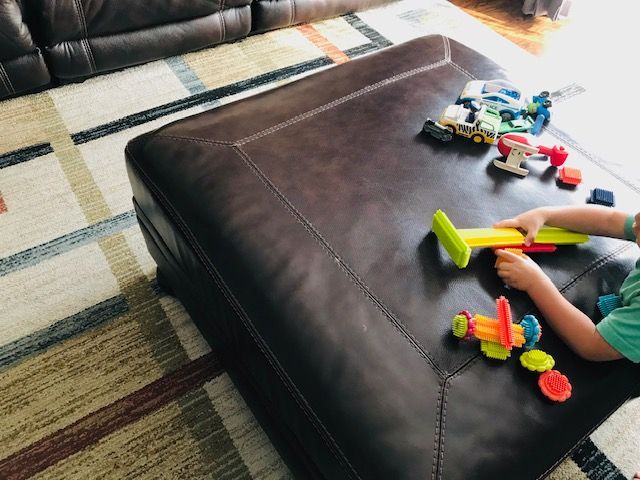
Why an intentional early learning curriculum matters
Early childhood curriculum matters because it provides direction for teachers and meaningful experiences for children during a critical developmental window. Intentional learning ensures that play activities promote specific skills—like counting or color recognition—while respecting each child’s pace. A curriculum helps teachers plan predictable routines, monitor progress, create consistent expectations, and communicate learning goals with families.
Key principles of Kiddysland’s curriculum
Play-based and child-centered: Woven into play.
Developmentally appropriate: Matching age/readiness.
Predictable routines: Supporting self-regulation.
Family partnership: Home-based reinforcement.
Inclusive and culturally responsive: Respect for diversity.
Core curriculum areas
How we teach the building blocks of early childhood education.
1. Language & Literacy
- Story time & Read-Alouds
- Song, Rhyme & Finger plays
- Vocabulary Building
- Early writing development
2. Early Math & Patterns
- Morning counting routines
- Number recognition matching
- Patterns & block sequencing
- Contextual math in daily life
3. Colors & Shapes
- Color discovery & sorting
- Puzzles & shape sorting
- Integrative art projects
- Identification hunts
4. Science & Sensory
- Tactile sensory tables
- Nature observation walks
- Cause-and-effect inquiry
- Simple mixing experiments
5. Social-Emotional
Emotion coaching, naming feelings, model coping strategies, and cooperative group play (sharing, turn-taking, and conflict resolution).
6. Fine & Gross Motor
Manipulatives, puzzles, and pre-writing for fine motor. Outdoor play, obstacle courses, and movement for coordination.
7. Daily Life Skills
Mealtime etiquette, nap routines, and bathroom independence. Classroom chores to teach accountability.
How learning is structured by age
Infants (0–12 months):
Focus on bonding, sensory stimulation, early language through talking and reading, and gentle routines for naps and feeding.
Young toddlers (12–24 months):
Emphasis on routines, language expansion, simple counting up to small numbers, and sensory exploration.
Older toddlers (2–3 years):
Increased independence, basic counting (1–10), color recognition, simple shape sorting, and social skills.
Preschoolers (3–5 years):
Foundational numeracy (counting beyond 10, simple addition/subtraction concepts), early literacy (letter recognition, name writing), and structured group activities to prepare for kindergarten readiness.
School-age/school-time care: Homework support, enrichment activities, and social-emotional development aligned to school schedules.
Assessment and tracking progress
We use observational assessments and developmental checklists to track each child’s growth across domains. Teachers document milestones and share regular updates with families, identifying strengths and planning next steps. Assessments guide small group planning and individualized learning moments.
Special focus: Engaging ways we teach
- Manipulatives: Blocks and beads for hands-on counting.
- Songs & Movement: Reinforce sequences with music.
- Art Integration: Sorting colors during painting projects.
- Everyday Math: Counting utensils and sorting socks.
Family engagement & home reinforcement
Counting walks
Count steps up the stairs or apples at the grocery store.
Color hunts
Identify colors at home during tidy-up time.
Story time routines
Read together and ask questions about the story.
Practical life practice
Encourage children to set the table or put away shoes.
Supporting transitions
Our curriculum intentionally teaches children to follow routines, listen to instructions, and manage transitions—skills crucial for kindergarten readiness.
Why Kiddysland’s homebase-style approach matters
Younger children often settle best in a home-like environment. Our center replicates that calming atmosphere while delivering structured learning experiences. This approach helps ease separation anxiety, supports sleep routines, and provides the consistent caregiving relationships children need to flourish.
Frequently Asked Questions
Do you follow a set curriculum?
Yes. We use a flexible, play-based curriculum aligned with developmental guidelines and tailored to each child’s needs.
How is numeracy taught to toddlers?
Numeracy begins with counting songs, manipulatives, and everyday counting opportunities integrated into routines.
Are learning activities individualized?
Yes. Teachers observe children, plan small group activities, and adapt materials to support a range of developmental levels.
Contact and next steps
To learn more, schedule a tour, or begin enrollment, contact us today. We welcome the opportunity to support your family.
Contact Us
We will get back to you as soon as possible.
Please try again later.