
Help Center
FAQ - Kiddysland Daycare & Learning Center
Welcome to our Frequently Asked Questions page. We compiled the most common questions families ask about enrollment, daily routines, curriculum, safety, and policies. If you don’t find an answer here, please call (909) 237-4600 or visit our center.
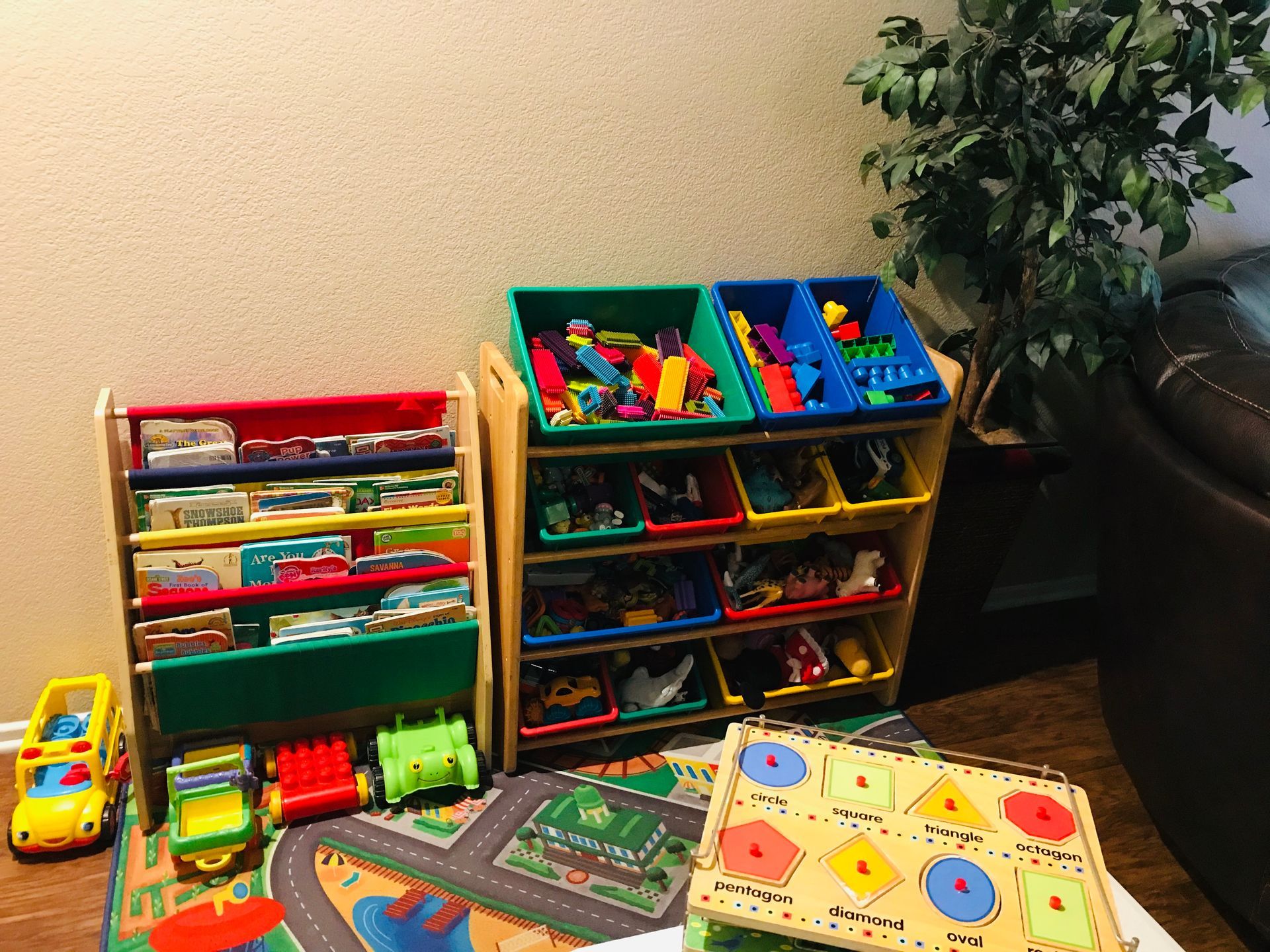
Why FAQs matter
Clear information helps families make informed decisions about childcare. FAQs address practical concerns about schedules, health and safety practices, curriculum goals (counting, colors, numbers), and how we support toddlers, multi-child households, and school-time care schedules. Transparent answers create trust and make the enrollment process smoother.
Quick Summary
Enrollment: Tour → Registration → Orientation.
Ages: Infants through preschool and school-time care.
Health & Safety: Secure entry, trained staff, sanitation.
Curriculum: Play-based, counting, colors, numbers.
Communication: Daily updates and milestone reports.
Contact for further questions
If you have additional questions or need clarification, we’re committed to transparency and partnership.
Enrollment and admissions
Q: What ages do you accept?
A: We accept infants through preschool-age children and offer school-time care for school-age kids. Availability varies—call (909) 237-4600 for current openings.
Q: How do I enroll my child?
A: Meet the owner for enrollment and registration.
Q: Is there a waiting list?
A: Yes, we maintain a waitlist during periods of high demand. Families on the waitlist are notified by phone when spots become available.
Schedules and hours
Q: What are your operating hours?
A: Our standard hours are listed in the Contact & Hours section below. We offer flexible scheduling options depending on family needs and availability.
Q: Do you offer part-time care or drop-in care?
A: We offer part-time schedules depending on availability. Contact us at (909) 237-4600 to discuss options. Drop-in care may be limited due to staffing and classroom ratios.
Safety and health
Q: What safety measures are in place?
A: We have secure entry procedures, staff training in CPR and First Aid, regular sanitation protocols, clear illness policies, and supervised outdoor play areas.
Q: What is your illness policy?
A: Children showing contagious symptoms must stay home until symptoms resolve or a healthcare provider clears them. We follow local public health guidance.
Curriculum and daily activities
Q: What does a typical day look like?
A: A typical day includes arrival and free play, circle time with counting and colors, learning centers, outdoor play, snack and meal times, quiet story time and rest, and practical life skill routines.
Q: How do you teach early math and colors?
A: Early math and color recognition are taught through songs, manipulatives, sorting games, art projects, and everyday routines that make concepts tangible and memorable.
Nutrition and meals
Q: Do you provide meals and snacks?
A: Some programs include meals and snacks; others require families to provide food. We follow nutritional guidelines appropriate for children.
Q: How do you handle food allergies?
A: We create individualized plans to manage allergies, secure necessary medical documentation, and train staff on avoidance and emergency protocols.
Staffing
Q: Qualifications?
A: Trained in early childhood education, CPR/First Aid, and ongoing development.
Q: Teacher-to-child ratio?
A: Ratios vary by age to meet licensing requirements and ensure personalization.
Behavior & Support
Q: Discipline?
A: Positive guidance strategies—redirection, modeling, and social skill teaching.
Q: Special needs?
A: Yes, we collaborate with families and specialists for individualized support.
Communication
Q: Daily updates?
A: Families receive daily reports and verbal updates at pick-up.
Q: Apps used?
A: We provide updates via daily sheets, email, or app-based messaging.
Payment
Q: Rates?
A: Tuition varies by program. Call (909) 237-4600 for current billing policies.
Q: Subsidies?
A: We recommend contacting our office to discuss subsidy acceptance.
Transitions and school readiness
School Prep
We focus on routines, group participation, and pre-literacy/numeracy to support smooth transitions.
Separation Anxiety
Teachers use gentle, consistent strategies such as supported goodbyes and transition plans.
Contact and next steps
To learn more, schedule a tour, or begin enrollment, contact us today. We welcome the opportunity to support your family.
Contact Us
We will get back to you as soon as possible.
Please try again later.